
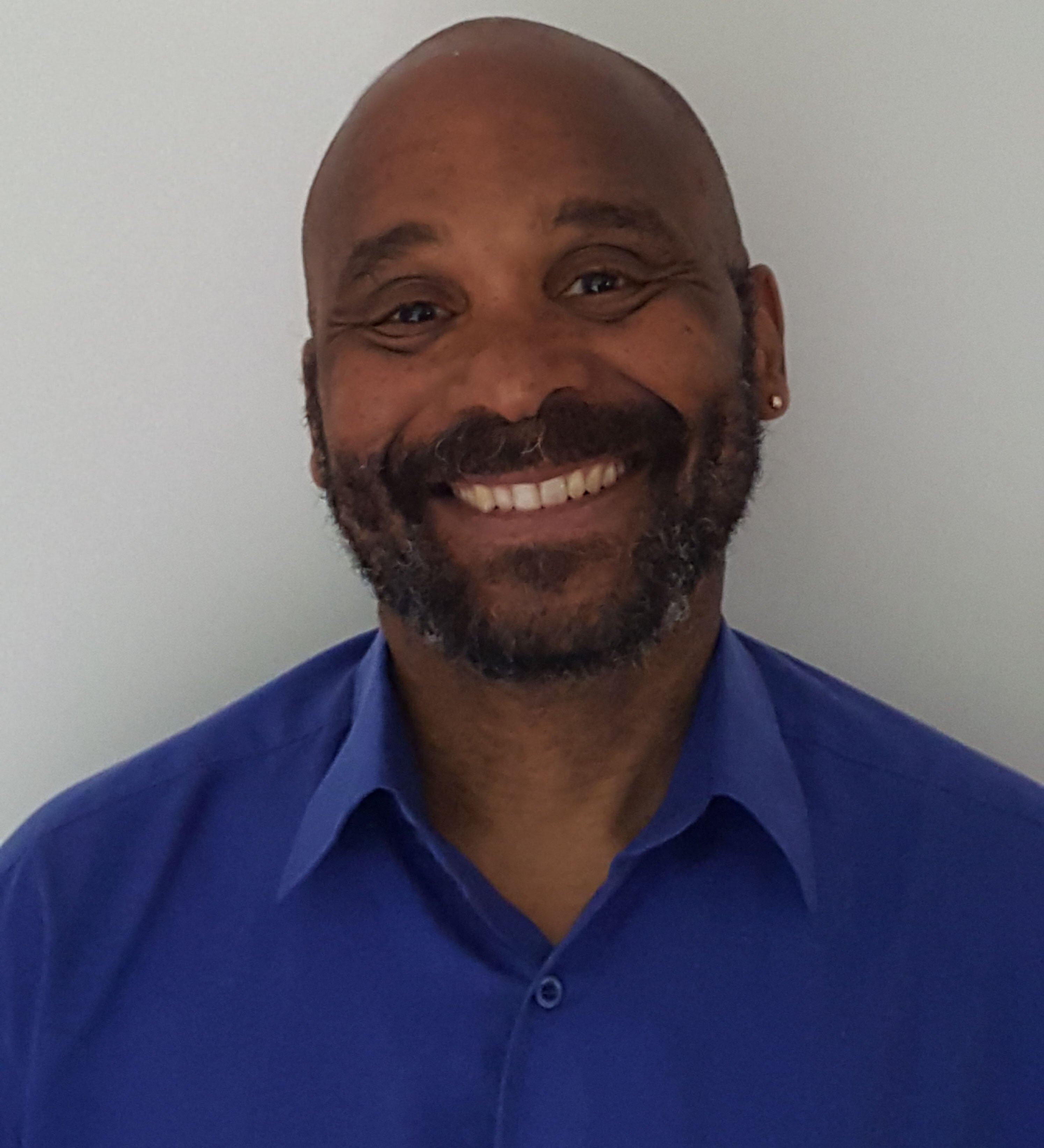
Instructor: David McKie
Email: Phone: 613-290-7380
Email address: @mckiedavid
Office Hours: 16:00-18:00 ET
Location: Virtual
Classes: 10-12 EST – Mon-Friday
Delivery Mode: Synchronous
Feb 15- March 26, 2021
Required text and reading
David, Fred Vallance-Jones, Rob Cribb and Dean Jobb are co-authors of
Digging Deeper Third Edition

Canadian Press Style Guide: An Overview
Optional Texts
David McKie and Jim Bronskill are co-authors of
Your Right To Know: How to Use the Law to
Get Government Secrets

David and Fred are co-authors of
“The Data Journalist: Getting the Story“

Territorial Acknowledgement:
The University of King’s College is located in Mi’kma’ki, the ancestral and unceded territory of the Mi’kmaq. We are all Treaty people.
Course Description
Overall: Working as a team and using investigative techniques, you
will research, write and produce a substantial investigative-enterprise package.
The stories will feature diverse storytelling techniques and, if they meet
the necessary standards, will be published online in The Signal, Canada’s National Observer, or both.
We will function as an investigative newsroom. David McKie, who will act as both
an advisor and editor-in-chief, has final word in all matters.
The deputy editor works closely with the editor-in-chief to organize
assignments and make editorial decisions.
Because this is a course for credit, there is time set aside for
necessary formal teaching, but even in the first week, the emphasis is
on active investigation and learning by doing. This workshop is about
taking the skills you have already learned to work to a new level.
The course, to be delivered synchronously using Zoom, will teach you how to take a deep dive into an investigative-enterprise project, from pitch to final project and potential follow-up.
Required readings: As assigned.
Learning Objectives
Upon completion of this course, students should be able to:
- identify the required research for investigation or enterprise stories;
- identify a range of public records and learn how to mine them for information;
- find stories in public records such as data;
- use freedom-of-information and access-to-information laws to conduct informal and — perhaps — formal searches and requests;
- present the data in an engaging and informative format, including online graphics packages;
- conduct accountability interviews and follow-up research;
- push for accountability interviews;
- write and build online stories using multiple media formats, choosing and using the best format for each element in each story;
- produce finished packages of information on the selected subjects;
- produce a guide to help future students and non-journalists replicate the projects in their own communities;
- be inspired to continue this kind of work!!
Ground Rules/Protocol
RULE #1: We don’t tell anyone outside of our workshop the topic
of our investigation, including classmates, friends, aunts,
uncles, cats, dogs.
RULE #2: See rule #1
Note on time management: Treat this class as a full-time job. As noted later in the
syllabus, class hours in this course are kept to a minimum to
facilitate maximum time to dig for information. If unavoidable personal conflicts arise,
give David a heads-up.
Please do not increase the potential for conflicts by scheduling extra shifts at a part-time job, taking on additional freelance writing assignments, etc., because there appears to be spare time in the schedule, or there are no specific classes scheduled. You need
to be available on a moment’s notice because last-minute developments such as a key interview that comes together at the last minute will require us to be nimble. You should expect demands in this workshop to increase during the course of the six weeks.
Procedures
The class will be divided into a working team for each of project.
We will decide on the group members and roles, largely depending on your expertise and preference.
Each group will have a senior reporter who attends the daily editorial
meetings.
Note that depending on requirements, and the relative workload of
the groups, you may be asked to take on reporting tasks to help
another group.
Because we are a team, everyone is here for everyone else. We will
assume you are engaged with the project during normal working hours
Monday to Friday.
We know that people sometimes have to deal with
illness, family emergency or the occasional work shift. Please advise
David if this applies to you. Any extended absence due to illness will
need to be documented following university policies.
You may need to complete some tasks outside of working hours; you are free to
organize your time in this latter regard as you please. The important
thing is to meet deadlines as assigned. And if you find yourself having
completed your assigned work, brainstorm to find ways to dig even deeper, and find out what you can do to help your colleagues who may be having a more difficult time.
Experience shows that the best marks typically go to the students who go beyond
merely what was requested. Initiative is rewarded in this class — and the real word.
When you have arranged a substantial interview — any interview other
than brief calls for nuggets of information — you must prepare a list of
questions and discuss them with your group and David. If it’s an accountability interview, you’ll need to come up with a list of questions with your group and David.
These questions should progress from scene-setting, icebreaking
questions, to queries that build upon the agreed factual
base through, to any more difficult, pointed questions.
When you have completed your questions, submit them to David for feedback at
least a day before the scheduled interview. If an interview is arranged
on tighter timelines, get David the questions as soon as you can.
Good performance will beget opportunities. If you shine, you get
the chance to shine some more. We will assign more difficult and
challenging work to those who show an interest and aptitude for it
and develop a record of performance, as would be the case in many newsrooms.
While industriousness and creativity are encouraged, remember
that your safety and the reputation of the school are both
important considerations. Please always be honest, courteous
and upfront with people about your intentions. Do not agree to
interviews that may involve unusual situations, such as
surreptitious meetings, without first consulting with David. These
should almost never be required. You must not use any
specialized techniques, such as “undercover” work, without
getting explicit permission from David, who may need to
obtain permission from higher-ups at King’s.
Use common sense. If you feel a situation could put your personal safety
at risk, bail out and advise David ASAP. For more information on
safety and your work at the journalism school, please go to
http://kingsjournalism.com/handbook/#safety.
All substantial interviews need to be summarized,
transcribed and saved into the transcripts folder in the shared drive.
Each group should create an “interview” folder. Within that folder, there should be a sub-folder for each student, which will contain the interview transcripts and recordings. So, for example, the Health group would contain a sub-folder called “Interviews”. Within that subfolder would be the name of each group member that contains the interview transcripts and recordings.
Immediately upon completion of the interview you must write a
memo indicating the subject and place of the interview, the date and
time, key information that emerged, the best quotes,
and your own assessment of how it went. To make your life simpler, you can do this in the same Word document, just above the transcript.
The complete transcript of the interview should be done as soon afterward
as practicable with the following: The name of the interviewer; the
properly spelled name and title of the interview subject; the location of
the interview; and the date and time, all indicated at the top.
Normally, transcripts are prepared by the person who conducted the interview.
You must also record your interviews, and upload an MP3 file of your
interview your folder in the shared drive. Be sure to convert
any other audio formats to MP3 before uploading. This step is crucial,
as questions will come up during fact-checking after the workshop
concludes and, at times, David needs to be able to check material
from interviews against both the transcript and the audio. To make this task easier, please use time codes at five-minute intervals.
Do let the editorial team know if you get an important break, or if you
are running into an obstacle that seems insurmountable. We can
help. Don’t let days go by without reporting back on issues you are
having.
Telephone interview information: While we try to do as many
interviews in person as possible — especially during a pandemic — interviews with some people far from your location may have to be done by phone. If you have limited
airtime or long-distance minutes, you may wish to download a VOIP
application such as Fongo onto your cellphone. Fongo provides you
with a local phone number — you can also choose a number
somewhere else in Canada — and it allows unlimited free calls to most
parts of the country, with the North the biggest exception. It is an ad-supported
service. But, don’t worry, the ads are unobtrusive. Fongo uses wi-fi when
there is a sufficiently strong signal. Note that when not connected
to wi-fi, Fongo will use cellular data, if you have it enabled, and
uses 30-50 mb of data per hour. Check your data plan to ensure
you won’t be running up big charges. Fongo does not provide
free calls to the United States; you’ll have to buy credits. Calls to
the U.S. cost 2 cents a minute.
Some tips: You should plan each day’s work strategically. There will
be some tasks that are more difficult and some that will be easier to
complete.
• Have a key goal for each day’s work. In concert with the
editorial team, decide what is most important to complete. As
you discover new information, the priorities may shift as more
important goals come into view, relegating other considerations to the background — at least for the time being.
• Always seek primary records. When people tell you things, ask if
they have records such as memos, reports, studies or data related to what they are saying.
• Similarly, you should corroborate key facts with additional sources of information such as primary records or interviews. Remember, the key to investigative journalism is collecting information from many sources to build a picture that is as complete as possible — full well realizing that total completion is virtually impossible, unless someone confesses or provides a proverbial “smoking gun.”
Where we work: Most, if not all of you, have your own computers. So, as much as possible, the workshop is set up so that you are not nailed down to one
location. If you want to write in a coffee shop, transcribe in your room,
or work on the website wherever you are, everything is set up to
make that possible, with all files and resources (except any paper
documents) available online through our Google docs account. This flexibility is even more important during a pandemic when we must conduct our business virtually.
Equipment: Most workshop participants prefer to use their own
computers. A phone scanner such as TurboScan (iOS) or
CamScanner (iOS or Android) does most small to medium-sized jobs
well. A scanner can save copying files at the courthouse, which would
otherwise cost 75 cents a page to copy.
Semi-fictitious Class Schedule
Because investigative journalism happens on the fly, it is impossible
to establish a reliable schedule for this workshop beyond our regular daily gatherings. So, please don’t be surprised if things change from time to time. We will try, as much as
possible, to stick to advertised times, but as the project develops,
please expect to see meeting times changed, meetings
cancelled or additional meeting times set. Meetings may be
required on short notice when developments warrant, so be
ready for that, too. We will put out notices by email and phone you if
necessary. Attendance at all meetings is mandatory, but we will be
flexible for unavoidable pre-existing conflicts including other classes,
media job shifts, etc. but make sure we know.
Week 1 February 15 to 19
Tuesday to Friday, 10-12 ET
Additional meetings if required
Weeks 2 to 5 (Feb. 22-Feb. 25, Mar. 1-Mar. 5,Mar. 8-Mar. 12,
Mar. 15-19)
Daily editorial meetings, 10-12 , followed by editors’ meeting.
End-of-week meeting, 10-12 Friday
Week 6 March 22-26
Editorial meetings, Monday to Wednesday, 10-12, followed by
editors’ meeting.
End of-workshop meeting, 10-12.
Dream editorial targets (subject to change):
Week 1: Initial research. Initial storyboard and direction established.
Initial contact with sources. A guest speaker.
Week 2: Substantial reporting and data analysis. Interviews and
writing begin.
Week 3: Reporting, interviewing, data analysis and writing continue.
Week 4: Final interviews completed.
Week 5: Copy completed, including copy for outside media
partner(s), if story suitable for publication. Audio and/or video
production completed. Final web design and placement. Copy editing
and fact checking begin.
Week 6: Website completed. Copy editing and fact checking
completed. All content lawyered. Favourite beverage(s) consumed
as desired.
Assessment
Your mark for the workshop will be determined as follows:
10 per cent: Initial research assignment, which in our case will be the story pitch(s) that you’ll be making, using the template that you’ve been given as a guide.
30 per cent: This mark will be shared with colleagues in your
reporting group. Everyone in the group will get the same group
mark based on the final product, including writing, research for public records, data work and photography as assigned and working with Michael Creagen. For story development, you’ll be working with King’s writing coach Allison Lawlor. This mark takes many factors into consideration, including the difficulty of the work assigned and the
quality of the completed work.
Specifically, you will be graded on the following components:
-Newsworthiness of story or stories, accuracy, and clarity of writing;
-Quality of the story elements such as photos, video, audio and graphics.
-Quality of the public records, including timeliness.
-Quality of the sources interviewed, both on-the-record and off-the-record;
-Meeting the deadline.
Note that this mark is for the final work produced. Your individual contributions will be marked in the breakdowns described below.
The remainder of the mark will be based on your individual
contributions to the project.
40 per cent: You can receive up to 40 marks for your daily contributions as
indicated in your daily work record, and observations by your
instructor of such things as interviews arranged and completed,
transcripts completed in deadline, participation in meetings, submission of interview
questions for review by David, and other contributions.
Here is a guide to grade ranges:
A range: Consistently completes assigned tasks on time and as
assigned, but also goes beyond assigned tasks. Submits all interview
questions for review by instructor. Work always meets professional
standards.
B range: Usually completes assigned tasks on time and as
assigned, and often goes beyond assigned tasks. Submits most
interview questions for review by instructor. Work usually meets
professional standards.
C range: Completes some assigned tasks on time and as assigned.
For many interviews, questions are not submitted for review by
instructor. Work is of satisfactory quality.
D/F range: Never complete assigned tasks on time and as assigned.
Work is unsatisfactory.
10 per cent: Ten percentage points will be based on your having filled out the
daily activity log by 9:30 p.m. each day, starting with the first day
as agreed by the class. For every five percentage points below 100
per cent handed in, you will lose one of the ten percentage points, per
the following scale:
95 to 100 per cent handed in: 10 marks
90 to 95 per cent handed in: 9 marks
85 to 90 per cent handed in: 8 marks
80 to 85 per cent handed in: 7 marks
75 to 80 per cent handed in: 6 marks
70 to 75 per cent handed in: 5 marks
65 to 70 per cent handed in: 4 marks
60 to 65 per cent handed in: 3 marks
55 to 60 per cent handed in: 2 marks
50 to 55 per cent handed in: 1 mark
Below 50 per cent: 0
10 per cent: The final 10 percentage points will be based on your instructor’s
overall evaluation of your professionalism. For this latter 10
percentage points, this is a guide to how you will be evaluated:
A range: “You wouldn’t believe the interview I got.” Demonstrates
daily commitment to the project, works hard, shows outstanding
creativity in overcoming obstacles, completes assigned tasks on time,
never misses meetings without a good reason and always is a team
player.
B range: “I’m ready to work. Tell me what I need to do.” Completes
assigned tasks, puts in full days, shows some creativity in
overcoming obstacles.
C range: “I sent an email a few days ago but they’re not getting back
to me.” Completes many assigned tasks, waits to be told what to do,
requires frequent intervention by supervisors to complete tasks, may
be hard to locate between meetings and/or is frequently late or
absent from meetings.
D/F range: “I didn’t know I was supposed to be here.” Fails to
complete assigned tasks and may not be around to be assigned.
Misses many meetings
| Grade | Grade Point Value | Definition | Explanation | |
|
A+
A A- |
4.30
4.00 3.70 |
90-100 85-89 80-84 | Excellent | Considerable evidence of original thinking; demonstrated outstanding capacity to analyze and synthesize; outstanding grasp of subject matter; evidence of extensive knowledge base. |
|
B+
B B- |
3.30
3.00 2.70 |
77-79 73-76 70-72 | Good | Evidence of grasp of subject matter, some evidence of critical capacity and analytical ability; reasonable understanding of relevant issues; evidence of familiarity with the literature |
|
C+
C C- |
2.30
2.00 1.70
|
65-69 60-64 55-59
|
Satisfactory
|
Evidence of some understanding of the subject matter; ability to develop solutions to simple problems; benefiting from his/her university experience
|
|
D
|
1.00 | 50-54 | Marginal Pass | Evidence of minimally acceptable familiarity with subject matter; some critical and analytical skills. |
| F | 0.00 | 0-49 | Inadequate | Insufficient evidence of understanding of the subject matter; weakness in critical and analytical skills; limited or irrelevant use of the literature |
|
INC
|
0.00
|
Incomplete
|
||
| W |
Neutral and no credit
obtained |
Withdrew after deadline | ||
| ILL |
Neutral and no credit
obtained |
Compassionate reasons, illness |
Important note on interviews
When you set up and do interviews, you must ensure that you tell
interviewees that their comments will be published for all to see.
Sometimes sources will not understand that student work is published
and you should be sure you are clear that it WILL be published. As a
general rule, interviews must also be “on the record.” We do not use
unnamed sources in published stories in this workshop though they
may assist us with background.
Absences
A student who is absent for up to three consecutive calendar days
and misses a test or graded assignment must contact the course
instructor in advance of the date of the academic requirement. They
must then complete and submit a Student Declaration of Absence
Form (Journalism) to the instructor in person , or via email, no later than three calendar
days after the last day of the absence.
For courses weighted three or six credit hours, a Student Declaration of Absence can be submitted for two separate absences, up to three days each, per course per
term. For a 9-credit hour workshop, a Student Declaration of Absence
can be submitted for a single such absence.
For long-term absences of more than three consecutive days, a
student should follow the same procedure and contact their course
instructor within five calendar days after the last day of the absence.
Documentation from an on-campus or other health care professional
is required to support a long-term absence and should describe how
the medical condition affects the student’s ability to fulfill academic
requirements.
A student experiencing a long-term absence, or more than two short-term
absences, is encouraged to meet with the Journalism School’s
Undergraduate or Graduate Coordinator, or the School Director.
Ethical Conduct
All students are expected to familiarize themselves with the School’s
Handbook of Professional Practice at kingsjournalism.com/handbook
and abide by its ethical standards.
Safety
You should never feel or be unsafe. All students are expected to read the
School’s safety guidelines at kingsjournalism.com/handbook/#safety.
If you run into trouble, or if you feel a situation might put your, or
others’ personal safety at risk, bail out and call your instructor right
away.
Inclusive Behaviour
King’s prides itself on inclusiveness and respect for others. Our
classrooms and newsrooms are public spaces in which racist, sexist,
homophobic or intolerant comments or humour will not be tolerated.
Do not screen such videos, images or web pages on school
equipment or in school facilities. Offensive behaviour is not just
disrespectful to your colleagues and to your profession; it may
constitute harassment under the King’s Code of Conduct. For more
information, go to the King’s website at policies.ukings.ca and find the
Yellow Book.
King’s has its own Sexualized Violence Policy, and its own
Sexualized Violence Prevention and Response Officer (SVPRO),
Jordan Roberts.
The SVPRO can provide support around experiences of sexualized
violence to all members of the King’s community. This support is
confidential and can include informal discussion, academic
accommodations, and undergoing an internal reporting process.
Decisions on where a disclosure takes place are made by
the individual who is disclosing. Academic accommodations may be
available to those who do not wish to make a formal report.
If you are supporting someone who has experienced sexualized
violence, the SVPRO is also available.
The full Sexualized Violence Policy can be found online;
https://ukings.ca/campus-community/student-services/campussafety/
sexualized-violence/
The SVPRO’s contact information is , 902
229-6123, Office: 077 Lower Link. Confidential voicemail and text
option. Calls and messages responded to Monday – Friday 9-5.
Contacting the Police
Students must talk to their instructor before they contact Halifax
Regional Police or the RCMP. On approval of their request, they must
send the police an email from their official school account that is cc’d
to their instructor.
Academic Integrity
Plagiarism is stealing someone else’s work and presenting it as your
own. It is a form of academic fraud. The most common cases of
plagiarism involve students who cut and paste material from the
Internet or copy something without giving the original author credit. In
journalism, giving credit is called attribution. Do not cut and paste. Do
attribute your sources.
Violations of academic integrity are handled by the university’s
academic integrity officer and are taken seriously. The punishment
for plagiarism or other forms of academic integrity can range from
receiving a zero on the assignment, to failing the course, to being
suspended or expelled from the university. If you have any doubt
about proper citation for an academic paper or proper attribution in a
piece of journalism, contact your instructor. For more information,
consult the calendar of the University of King’s College.
Accessibility
Students may request accommodation as a result of barriers to
inclusion related to disability, religious obligation, or any characteristic
under the Nova Scotia Human Rights Act. If you experience barriers
related to the design, instruction, and/or experiences within this
course please contact the Student Accessibility Centre.
Please note that during non-pandemic times your classroom may contain specialized furniture and equipment. It is important that these items remain in the
classroom, untouched, so that students who require them will be able
to participate in the class.
Appeals
Disputes over academic performance and assessment will be dealt
with according to the Academic Regulations of the School of
Journalism. These are described on p. 42 of the King’s Academic
Calendar.
Class Sessions
Feb 11
JOUR4954 09 JOUR5954 09 – Investigative Workshop Feb 11
Links
General news stories
National Newswatch
https://www.nationalnewswatch.com/
General investigative stories
Myanmar junta hires Israeli-Canadian lobbyist to ‘explain’ coup
https://www.theglobeandmail.com/world/article-myanmar-junta-hires-israeli-canadian-lobbyist-to-explain-coup/
Emma’s stories
https://www.nationalobserver.com/special-reports/zoning-out-doug-fords-special-land-use-orders
Ottawa pressed to make good on promise to end all long-term drinking-water advisories for First Nations
https://www.theglobeandmail.com/canada/article-ottawa-pressed-to-make-good-on-promise-to-end-all-long-term-drinking/
Nunavut schools had 1,000 violent incidents last year, CBC investigation reveals
https://www.cbc.ca/news/canada/north/nunavut-school-violence-statistics-investigation-1.5921662
Bad Water Sickens First Nations. But Government Doesn’t Track the Toll
https://thetyee.ca/News/2021/02/22/Bad-Water-Sickens-First-Nations-Government-Track-Toll/
Clean water, broken promises
https://www.nationalobserver.com/2021/02/18/investigations/clean-water-broken-promises
The money trail: Developers who donated to Ontario Proud, PC party got the green light for projects
https://www.nationalobserver.com/2021/02/17/investigations/developers-donated-ontario-proud-pc-party-projects-got-green-light
Exclusive: Doug Ford donors benefit as fast-tracked developments override environmental concerns
https://www.nationalobserver.com/2021/02/16/investigations/ford-government-mzo-fast-tracked-developments-by-donors
Ontario College of Teachers names 28 teachers whose licences have been revoked for sexual misconduct
https://www.thestar.com/news/canada/2021/02/16/ontario-college-of-teachers-names-28-teachers-whose-licences-have-been-revoked-for-sexual-misconduct.html
Sexual breach of trust findings cost 28 Ontario teachers their licence to teach
https://www.thestar.com/news/canada/2021/02/15/sexual-breach-of-trust-findings-cost-28-ontario-teachers-their-licence-to-teach.html
How can we keep algorithmic racism out of Canadian health care’s AI toolkit?
https://www.theglobeandmail.com/life/health-and-fitness/article-how-can-we-keep-algorithmic-racism-out-of-canadian-health-cares-ai/
Payette stepping down as governor general after blistering report on Rideau Hall work environment
https://www.cbc.ca/news/politics/governor-general-payette-step-down-1.5882675
Gender pay gap persists even at executive level, new study finds
https://abcnews.go.com/Business/gender-pay-gap-persists-executive-level-study-finds/story?id=75945000
THE POWER GAP: WOMEN ARE OUTNUMBERED AND OUTRANKED AT CANADA’S VITAL PUBLIC INSTITUTIONS, GLOBE ANALYSIS FINDS
https://www.theglobeandmail.com/canada/article-power-gap-main/
TO STOP GENDER DISCRIMINATION AT WORK, CANADA HAS ALL THE LAWS IT NEEDS – BUT THE SYSTEM ENFORCING THEM IS BROKEN
https://www.theglobeandmail.com/canada/article-power-gap-broken-pipeline/
Was your fridge made with forced labour? These Canadian companies are importing goods from Chinese factories accused of serious human rights abuses
https://www.thestar.com/news/investigations/2021/01/22/was-your-fridge-made-with-forced-labour-these-canadian-companies-are-importing-goods-from-chinese-factories-accused-of-serious-human-rights-abuses.html
Investigative – Dan McArthur Award
CBC News: Canada’s Broken School Violence Reporting System
https://www.youtube.com/watch?v=O5l6HcNONfc&feature=youtu.be
2019 Canadian Association Data Journalism Award winner
Institute for Investigative Journalism and media partners
Tainted Water
IIJ / Toronto Star / Global News / Le Devoir / Regina Leader-Post / National Observer
‘We’re guinea pigs’: Canada’s oversight process for implanted medical devices stuns suffering patients
https://www.cbc.ca/news/health/implanted-files-medical-devices-icij-1.4909196
Biocell breast implants at centre of ‘biggest controversy in plastic surgery’
https://www.thestar.com/news/investigations/2018/11/26/biocell-breast-implants-at-centre-of-biggest-controversy-in-plastic-surgery.html
Allergan breast implants linked to rare cancer pulled in global recall
https://www.thestar.com/news/investigations/2019/07/24/allergan-breast-implants-linked-to-rare-cancer-pulled-in-global-recall.html#:~:text=Allergan%20has%20announced%20a%20global,a%20rare%20form%20of%20cancer.&text=The%20company%20pointed%20to%20the,did%20not%20warrant%20a%20ban.
The kids are in crisis — and COVID-19 is making it worse. In Canada, deteriorating youth mental health is leaving a generation in distress
https://www.thestar.com/news/investigations/2020/11/23/the-kids-are-in-crisis-and-covid-19-is-making-it-worse-in-canada-deteriorating-youth-mental-health-is-leaving-a-generation-in-distress.html
Across North America, climate change is disrupting a generation’s mental health
https://www.nationalobserver.com/2020/12/02/eco-anxiety-youth-mental-health-climate-change
COVID-19-related investigative and enterprise stories
Disabled Canadians face uphill struggle for regular care as COVID-19 drains resources
https://www.theglobeandmail.com/canada/article-disabled-canadians-face-uphill-struggle-for-regular-care-as-covid-19/
Disabled Canadians face uphill struggle for regular care as COVID-19 drains resources (PDF version)
Faces of the unemployed a year after so many lost their jobs to the COVID-19 pandemic
https://www.theglobeandmail.com/business/article-faces-of-the-unemployed-a-year-after-so-many-lost-their-jobs-to-the/
Faces of the unemployed a year after so many lost their jobs to the COVID-19 pandemic (PDF VERSON)
Canada’s economy need not fear the third wave of COVID-19
https://www.theglobeandmail.com/business/commentary/article-canadas-economy-need-not-fear-the-third-wave-of-covid-19/
Canada’s economy need not fear the third wave of COVID-19 (PDF VERSION)
Apres les mesures sanitaires s’enchainent les sos en sante mentale
https://ici.radio-canada.ca/recit-numerique/2189/covid-19-appel-aide-sante-mentale?fbclid=IwAR0vi_YI5vYyyLsEIiYoevOon8j3lsQdk4zIfqK5BuIf8K6EhNqE0U5y72w
More than $395M sent to Manitoba through CERB at start of pandemic, data shows
https://www.cbc.ca/news/canada/manitoba/manitoba-cerb-data-1.5932741
For-profit nursing homes in Ontario say ownership has nothing to do with their higher COVID-19 death rates. A Star analysis finds that’s not the case
https://www.thestar.com/business/2021/02/26/for-profit-nursing-homes-say-ownership-has-nothing-to-do-with-their-higher-covid-19-death-rates-a-star-analysis-finds-thats-not-the-case.html
‘Critical’ Global Affairs Canada services disrupted amid coronavirus cases at offices
https://globalnews.ca/news/7632416/global-affairs-canada-coronavirus-cases-service-disruption/
Senior Liberal staffers discussed withholding details about COVID-19 response: Internal emails
https://globalnews.ca/news/7625016/coronavirus-ppe-government-emails-withheld-information/?utm_source=notification
Internal emails reveal tensions with PHAC, provinces as Trudeau’s office responds to COVID-19
https://globalnews.ca/news/7612950/coronavirs-emails-prime-minister-office-trudeau-internal-frustrations/
Alberta’s worst COVID-19 rates are in racialized communities, data show
https://www.theglobeandmail.com/canada/alberta/article-albertas-worst-covid-19-rates-are-in-racialized-communities-data/
Ontario rejected its own public health agency’s advice when it launched its colour-coded plan for COVID-19 restrictions
https://www.thestar.com/news/gta/2020/11/11/ontario-rejected-its-own-public-health-agencys-advice-when-it-launched-its-colour-coded-plan-for-covid-19-restrictions.html
Is anyone taking the second wave of COVID-19 seriously? This data shows we’re shopping and travelling like it’s practically 2019
https://www.thestar.com/news/gta/2020/10/08/is-anyone-taking-the-second-wave-of-covid-19-seriously-this-data-shows-were-shopping-and-travelling-like-its-practically-2019.html
Ontario families living in more racialized neighbourhoods less likely to send children back into classroom, Globe analysis finds
https://www.theglobeandmail.com/canada/article-ontario-families-living-in-more-racialized-neighbourhoods-less-likely/
2,000 COVID-19 cases missing from Toronto’s map of hot spots
https://www.cbc.ca/news/canada/covid-19-data-toronto-public-health-hot-spots-1.5598844?fbclid=IwAR0YCo65N1AltvM8kztaV9pQqY4zhh674m1TXZI6Q0nNVd_qN9JRJX_HKLk
Poverty and COVID-19: More data would help explain the connection
https://www.nationalobserver.com/2020/05/12/opinion/being-poor-shouldnt-be-deadly
COVID-19 hits poorer Montreal boroughs hardest, data reveals, with Montreal North bearing the brunt
https://montreal.ctvnews.ca/covid-19/covid-19-hits-poorer-montreal-boroughs-hardest-data-reveals-with-montreal-north-bearing-the-brunt-1.4935066
A study urged better standards for migrant workers’ housing. Nothing was done. Now COVID-19 has struck
https://www.thestar.com/business/2020/05/11/a-study-urged-better-standards-for-migrant-workers-housing-nothing-was-done-now-covid-19-has-struck.html?li_source=LI&li_medium=thestar_recommended_for_you
Analysis of billions of cellular data: the Quebec break has catalyzed the epidemic
https://ici.radio-canada.ca/info/2020/05/geolocalisation-deplacements-provinces-regions-quebec-montreal-distanciation-sociale/?fbclid=IwAR3xWHUt-VZvu8J7gByBDHLFdiHa1OzrI1t4t395E0QuRthVgCLYxTpOAug
Low-income neighbourhoods at higher risk of coronavirus
https://toronto.citynews.ca/2020/04/20/low-income-neighbourhoods-at-higher-risk-of-covid-19/
COVID-19-related business articles and reports
Ontario budget renews small-business grants, announces $400-million for hard-hit sectors
https://www.theglobeandmail.com/business/article-ontario-budget-renews-small-business-grants-announces-400-million-for/
Ontario budget renews small-business grants, announces $400-million for hard-hit sectors.pdf
TD Bank Ontario budget 2021.pdf
Scotiabank Economics Ontario Budget 2021.pdf
Ontario’s budget in 5 charts: From the COVID-19 deficit to small business grants, here are the highlights
https://www.thestar.com/politics/provincial/2021/03/24/ontarios-budget-in-5-charts.html
Ontario budget in 5 charts_The Star.pdf
Revisiting a small-business owner one year into COVID-19 pandemic: ‘We’re not out of this yet’
https://www.theglobeandmail.com/business/commentary/article-revisiting-a-small-business-owner-one-year-into-covid-19-pandemic/
Health Canada approves AstraZeneca’s COVID-19 vaccine for people over 18
https://www.theglobeandmail.com/politics/article-health-canada-approves-astrazenecas-covid-19-vaccine-for-people-over/
Ontario universities seek $500-million additional aid to deal with pandemic pressures
https://www.theglobeandmail.com/canada/article-ontario-universities-seek-500-million-additional-aid-to-deal-with/
‘It’s not for free’: Restaurants, gyms rack up loans to survive
https://www.theglobeandmail.com/business/article-small-businesses-take-on-new-debt-especially-those-in-food-and/
Investigating the impact of COVID-19 on independent business
https://www.cfib-fcei.ca/en/covid-19-surveys
Businesses that opened during pandemic lament lack of access to government aid
https://nationalpost.com/pmn/news-pmn/canada-news-pmn/businesses-that-opened-during-pandemic-lament-lack-of-access-to-government-aid
COVID-19-related health articles and reports
Opioid- and Stimulant-related Harms in Canada
https://health-infobase.canada.ca/substance-related-harms/opioids-stimulants/
Opioids in Canada
https://www.cihi.ca/en/opioids-in-canada
COVID-19: A data perspective
https://www150.statcan.gc.ca/n1/en/type/data?text=opioids
Historical stories
More signals of a Roaring ’20s rebound for Canadian economy when pandemic ends
https://www.cbc.ca/news/business/canadian-economy-weath-recession-rebound-1.5933651
Salvaged From 1941 Shipwreck, Letters Reveal Wartime Love and Sacrifice
https://www.nytimes.com/2021/02/28/world/europe/british-postal-museum-letters.html?searchResultPosition=1
‘Those families are still here’: Group pushes to commemorate forgotten Black neighbourhood in Charlottetown
https://www.theglobeandmail.com/canada/article-those-families-are-still-here-group-pushes-to-commemorate-forgotten/
First World War letters shed light on Spanish flu that has parallels with COVID-19
https://toronto.citynews.ca/2020/11/05/first-world-war-letters-shed-light-on-spanish-flu-that-has-parallels-with-covid-19/
Articles about access to information
JIM VIBERT: Nova Scotia’s Liberal government too stingy with the public’s right to know
https://www.theguardian.pe.ca/opinion/regional-perspectives/jim-vibert-nova-scotias-liberal-government-too-stingy-with-the-publics-right-to-know-553668/
Open data
Open data portals
http://davidmckie.com/open-data-portals/
Proactive disclosures
https://open.canada.ca/en/proactive-disclosure
Federal mandate letters
https://pm.gc.ca/en/mandate-letters
Ottawa to relax penalties for drug offences, encouraged to treat possession as a health issue
https://www.theglobeandmail.com/canada/article-ottawa-to-relax-penalties-for-drug-offences/
Offender Profile 2017-2018
https://open.canada.ca/data/en/dataset/844ff1e3-e137-41be-9ebe-6bd9843c1a53
Census Profile, 2016 Census
https://www12.statcan.gc.ca/census-recensement/2016/dp-pd/prof/details/page.cfm?Lang=E&Geo1=PR&Code1=01&Geo2=&Code2=&SearchText=Canada&SearchType=Begins&SearchPR=01&B1=All&TABID=1&type=0
CEWS Registry Results
https://apps.cra-arc.gc.ca/ebci/hacc/cews/srch/pub/bscSrch?dsrdPg=1&q.srchNm=car&q.ordrClmn=NAME&q.ordrRnk=ASC
Conservatives, Liberals and Bloc end 2020 with record-breaking fundraising quarter
https://www.cbc.ca/news/politics/grenier-2020-q4-fundraising-1.5896460
Elections Canada
https://www.elections.ca/home.aspx
Elections Nova Scotia
https://electionsnovascotia.ca/Electoral-Finance-Reports
Elections Alberta
https://www.elections.ab.ca/
Elections Ontario
https://www.elections.on.ca/en.html
Elections Newfoundland and Labrador
https://www.elections.gov.nl.ca/elections/
Buyandsell.gc.da
https://buyandsell.gc.ca/
Nova Scotia Tenders
https://procurement.novascotia.ca/ns-tenders.aspx
Canada’s Lobbying Commissioner Recommends Significant Changes to the Federal Lobbying Regime
https://www.jdsupra.com/legalnews/canada-s-lobbying-commissioner-5177516/
Office of the Commissioner of Lobbying
https://lobbycanada.gc.ca/en/
Registry of Lobbyists Nova Scotia
https://novascotia.ca/sns/lobbyist/
Financial public records: Public accounts, budgets, annual reports
Nova Scotia Public Accounts
https://beta.novascotia.ca/public-accounts
Nova Scotia Health Authority public accounts uploaded to DocumentCloud
https://notices.novascotia.ca/files/public-accounts/2020/nova-scotia-health-authority.pdf
Federal Public Accounts
https://open.canada.ca/data/en/dataset?q=public+accounts&organization=pwgsc-tpsgc&portal_type=dataset&sort=metadata_modified+desc&page=4
Federal Public Accounts – PDF format
https://epe.lac-bac.gc.ca/100/201/301/public_accounts_can/pdf/index.html
Federal Public Accounts – Volume one
https://beta.documentcloud.org/documents/20493461-p51-1-2020-3-eng
Federal Public Accounts – Volume two
https://beta.documentcloud.org/documents/20493462-p51-1-2020-2-eng
Federal Public Accounts – Corrections to Volume two
https://beta.documentcloud.org/documents/20493460-erratum-vol2-org-415-416-418-419-eng
Federal Public Accounts – Volume three
https://beta.documentcloud.org/documents/20493461-p51-1-2020-3-eng
One patrol ship and 118 Crown vehicles vandalized, part of $24.2-million in lost property in 2018-19
https://www.hilltimes.com/2020/01/15/one-patrol-ship-and-118-crown-vehicles-vandalized-part-of-24-2-million-in-lost-property-in-2018-19/230140
Annual Financial Report of the Government of Canada Fiscal Year 2019-2020
https://www.canada.ca/en/department-finance/services/publications/annual-financial-report/2020/report.html
Annual Financial Report of the Government of Canada Fiscal Year 2019-2020 – uploaded to DocumentCloud
https://beta.documentcloud.org/documents/20493465-annual-financial-report-of-the-government-of-canada-fiscal-year-2019-2020-canadaca
Federal Fall Economic Statement 2020
https://www.budget.gc.ca/fes-eea/2020/home-accueil-en.html
Federal Fall Economic Statement uploaded to DocumentCloud
https://beta.documentcloud.org/documents/20419378-nov-30-2020-fiscal-update
Accountability Report – 2014-2015 – Nova Scotia Department of Health and Wellness
https://www.documentcloud.org/documents/20521972-2014-2015-dhw-accountability-report
Access to information – formal and informal
Access to Information and Privacy Coordinators
http://www.tbs-sct.gc.ca/atip-aiprp/apps/coords/index-eng.asp
Information about programs and holdings
https://www.tbs-sct.gc.ca/hgw-cgf/oversight-surveillance/atip-aiprp/ai/sfgei-srgfff-eng.asp#A
Access to Information: general info
https://www.tbs-sct.gc.ca/hgw-cgf/oversight-surveillance/atip-aiprp/ai/index-eng.asp
Access to Information request forms
http://www.tbs-sct.gc.ca/tbsf-fsct/350-57_e.asp
epost Connect
https://www.canadapost.ca/cpc/en/business/postal-services/digital-mail/epost-connect.page
PROVINCES AND TERRITORIES
Alberta
http://www.servicealberta.ca/foip/
British Columbia
Main: http://www.gov.bc.ca/citz/iao/foi/
Completed requests:
http://www2.gov.bc.ca/gov/search?id=4BAD1D13C68243D1960FECBBF7B8B091
Manitoba
Main: http://www.gov.mb.ca/chc/fippa/
Completed requests: https://www.manitoba.ca/openmb/infomb/fippa.html
Proactive disclosure:
https://www.manitoba.ca/openmb/index.html
https://manitoba.ca/openmb/infomb/departments/index.html
New Brunswick
https://www2.gnb.ca/content/gnb/en/departments/finance/office_of_the_chief_information_officer/content/rti.html
Newfoundland and Labrador
Main: http://www.atipp.gov.nl.ca/info/accessrequestform.html
Completed requests: http://atipp-search.gov.nl.ca/
Northwest Territories
https://www.justice.gov.nt.ca/en/access-to-information-held-by-public-bodies/
Nova Scotia
Info: http://novascotia.ca/is/programs-and-services/information-access-and-privacy.asp
File a request online: https://iaprequest.novascotia.ca/
Completed requests: https://beta.novascotia.ca/search-previously-released-information-freedom-information-and-protection-privacy-foipop-request
The Right to Know Coalition of Nova Scotia
http://www.nsrighttoknow.ca/
Nunavut
http://www.gov.nu.ca/eia/information/how-place-atipp-request
Ontario
https://www.ontario.ca/page/how-make-freedom-information-request
Prince Edward Island
https://www.princeedwardisland.ca/en/information/justice-and-public-safety/freedom-information-and-protection-privacy-foipp
Quebec
Main: http://www.cai.gouv.qc.ca/english/
Saskatchewan
http://www.saskatchewan.ca/residents/justice-crime-and-the-law/your-rights-and-the-law/make-a-freedom-of-information-request
Yukon
Main: http://www.atipp.gov.yk.ca/
Completed requests: https://open.yukon.ca/data/sites/default/files/20200800-Release.pdf
CITIES
Calgary
https://www.calgary.ca/CA/city-clerks/Pages/Information-Access-Privacy/FOIP-request.aspx
Information disclosure: https://www.calgary.ca/ca/city-clerks/legislative-services/confidential-information-release.html
Edmonton
http://www.edmonton.ca/city_government/city_organization/freedom-of-information-and-privacy.aspx
Fredericton
http://www.fredericton.ca/en/right-to-information-and-protection-of-privacy
Halifax Regional Municipality http://www.halifax.ca/AccessPrivacy/index.php
Completed requests: https://www.halifax.ca/city-hall/accountability-transparency/access-information/completed-requests
Hamilton
http://www.hamilton.ca/CityDepartments/CorporateServices/Clerks/MFIPPA_adn_PHIPA.htm
Moncton
https://www.moncton.ca/my-govt-work/right-information-and-protection-privacy-act
Montreal
http://ville.montreal.qc.ca/portal/page?_pageid=5798,39687582&_dad=portal&_schema=PORTAL
Ottawa
Main: http://ottawa.ca/en/city-hall/your-city-government/access-information-and-privacy
Completed requests: https://ottawa.ca/en/city-hall/accountability-and-transparency/accountability-framework/freedom-information-and-protection-privacy/disclosure-mfippa-requests
Regina
Main: https://www.regina.ca/city-government/administration/office-of-the-city-clerk/#outline-access-to-information-and-protection-of-privacy
Completed requests: http://open.regina.ca/group/freedom-of-information
Saskatoon
https://www.saskatoon.ca/city-hall/send-comments-concerns-city/freedom-information
Toronto
https://www.toronto.ca/city-government/accountability-operations-customer-service/access-city-information-or-records/freedom-of-information/
Completed requests: https://open.toronto.ca/dataset/freedom-of-information-requests-summary/
Vancouver
Main: http://vancouver.ca/ctyclerk/foi/index.htm
Completed requests: http://vancouver.ca/your-government/information-released-through-foi-requests-this-year.aspx
Winnipeg
Main: http://winnipeg.ca/clerks/fippa/
Completed requests: http://winnipeg.ca/clerks/fippa/AccessToInfo.stm
COMPLETED ACCESS REQUESTS
Sessional Papers on COVID-19 released to the standing committee on health
https://www.ourcommons.ca/content/Committee/Motion2020-10-26/index-e.html
Federal
https://open.canada.ca/en/search/ati
CBC https://cbc.radio-canada.ca/en/impact-and-accountability/access-to-information/list-of-ati-requests-processed-by-cbc-radio-canada
British Columbia
http://www2.gov.bc.ca/gov/search?id=4BAD1D13C68243D1960FECBBF7B8B091
Vancouver
http://vancouver.ca/your-government/information-released-through-foi-requests-this-year.aspx
Manitoba
https://www.manitoba.ca/openmb/infomb/departments.html
https://www.manitoba.ca/openmb/infomb/fippa.html
Winnipeg
http://winnipeg.ca/clerks/fippa/AccessToInfo.stm#1
Regina (Note: not all are freedom-of-information responses)
http://open.regina.ca/group/freedom-of-information
Ottawa
https://ottawa.ca/en/city-hall/accountability-and-transparency/accountability-framework/freedom-information-and-protection-privacy/disclosure-mfippa-requests
Nova Scotia
https://informationaccess.novascotia.ca/
Halifax https://www.halifax.ca/city-hall/accountability-transparency/access-information/completed-requests
Newfoundland
http://atipp-search.gov.nl.ca/
Yukon
https://open.yukon.ca/data/sites/default/files/20200800-Release.pdf
COVID-19 links
http://davidmckie.com/covid-19-links/
Historical
Halifax.ca Legacy Content
http://legacycontent.halifax.ca/home/
Library and Archives Canada http://www.bac-lac.gc.ca/eng/Pages/home.aspx
Virtual Reference Library https://www.torontopubliclibrary.ca/digital-archive/
HEARD AMID THE GUNS: TRUE STORIES FROM THE WESTERN FRONT, 1914-1918
https://www.chapters.indigo.ca/en-ca/books/heard-amid-the-guns-true/9781772033373-item.html
Parliament
Canadian Parliamentary Historical Resources portal
https://parl.canadiana.ca/
House of Commons Publication Search for journals (from 2001 to present)
https://www.ourcommons.ca/PublicationSearch/en/?PubType=203
Status of House Business — Part 111
https://www.ourcommons.ca/DocumentViewer/en/43-2/house/status-business/page-12
Public Search Tool for Journals
https://www.ourcommons.ca/PublicationSearch/en/?PubType=203
House Publications
https://www.ourcommons.ca/DocumentViewer/en/43-2/house/sitting-58/hansard
Historical parliamentary debates
http://parl.canadiana.ca/
https://www.lipad.ca/
PARLINFO
https://lop.parl.ca/sites/ParlInfo/default/en_CA
Early Canadiana
http://online.canadiana.ca/
General Searches
Google Newspaper Archives
https://news.google.com/newspapers
Statistics Canada
StatCan release schedules
Statistics Canada’s data tables
Labour force characteristics, monthly, seasonally adjusted and trend-cycle, last 5 months
https://www150.statcan.gc.ca/n1/daily-quotidien/210108/dq210108a-eng.htm?HPA=1&indid=3587-2&indgeo=0
Labour Force Survey in brief: Interactive app
https://www150.statcan.gc.ca/n1/pub/14-20-0001/142000012018001-eng.htm
Estimates of the components of interprovincial migration, quarterly
https://www150.statcan.gc.ca/t1/tbl1/en/tv.action?pid=1710002001
Estimates of interprovincial migrants by province or territory of origin and destination, quarterly
https://www150.statcan.gc.ca/t1/tbl1/en/tv.action?pid=1710004501
Gross domestic product (GDP) at basic prices, by industry, monthly, growth rates (x 1,000,000)
https://www150.statcan.gc.ca/t1/tbl1/en/tv.action?pid=3610043402
2016 Census – Boundary files
https://www12.statcan.gc.ca/census-recensement/2011/geo/bound-limit/bound-limit-2016-eng.cfm
Pitching stories
To download a tip sheet for pitching, editing and storyboarding an investigative project, please click here.
To download the PowerPoint on the same topic, please click here.
Interviewing
Six basic rules of interviewing.pdf
CBS 60 Minutes interview with former U.S. President Barack Obama — Part 2
https://www.youtube.com/watch?v=KieU1kzUCRo
Charlie Rose interview with Barack Obama
https://charlierose.com/videos/26938
Writing
7 NMA21 Judging Guide Investigative Reporting.pdf
Don Gibb’s numeracy column for Media magazine
Writing manuals
https://www.amazon.ca/Elements-Style-William-Strunk-Jr/dp/020530902X
10 principles for data journalism in its second decade
https://medium.com/thoughts-on-journalism/10-principles-for-data-journalism-in-its-second-decade-3b45e08a4793
Tutorials
To obtain the Statistics Canada tutorial on using data tables, please click here.
Dexter’s Google Sheet’s Scraping Tutorial Using COVID Related Financial Data
https://studio.youtube.com/video/0t1p6PF07iw/edit
How to use DocumentCloud
https://www.youtube.com/watch?v=i_d0zsw6hhQ&feature=youtu.be
Visual thinking with taking multiple photos
https://www.youtube.com/watch?v=OC4Kr2_4MlU&feature=youtu.be
Nova Scotia Political donation tutorial 2021 03 09
https://www.youtube.com/watch?v=wz9hCfci7bk
Tableau tutorial joining labour force and industrial sector data March 17, 2021
https://www.youtube.com/watch?v=Df9b7ECiORQ
Data
Eviction applications by landlords_ first three digits of postal code_2020-20492-SNSIS.pdf
Landlord eviction applications_Master_2019-2020.xlsx
CERB FSA data from The Canadian Press.xlsxFederal quarterly political denotations 2020_data and tutorial.zip
Additional Resources
Data Journalism Academy: Writing with data
https://sites.google.com/view/mj-basic-data-academy/data-state-of-mind/writing-with-data?authuser=0
The Quartz guide to bad data
https://github.com/Quartz/bad-data-guide
Michael Creagen’s instructional video for photo ideas
https://www.youtube.com/watch?v=V9Gb69vlxKo&feature=youtu.be
Downloadthemall (Youtube demo)
https://www.youtube.com/watch?v=hzl4WIExeUA
Downloadthemall (for Firefox)
https://www.downthemall.net/
Downloadthemall (for Chrome)
https://chrome.google.com/webstore/detail/downthemall/nljkibfhlpcnanjgbnlnbjecgicbjkge?hl=en